
With gardens considered to be among the finest in New Zealand, Ōhinetahi sits just 20 minutes over the Port Hills from Christchurch, in the delightful setting of Governor’s Bay.
Today, Ōhinetahi is as well known for its displays of art, architectural works and sculptures as it is for its magnificent grounds. But the gardens have a special significance, dating back to 1865 when then-owner and keen botanist Thomas H Potts began planting them.
View image gallery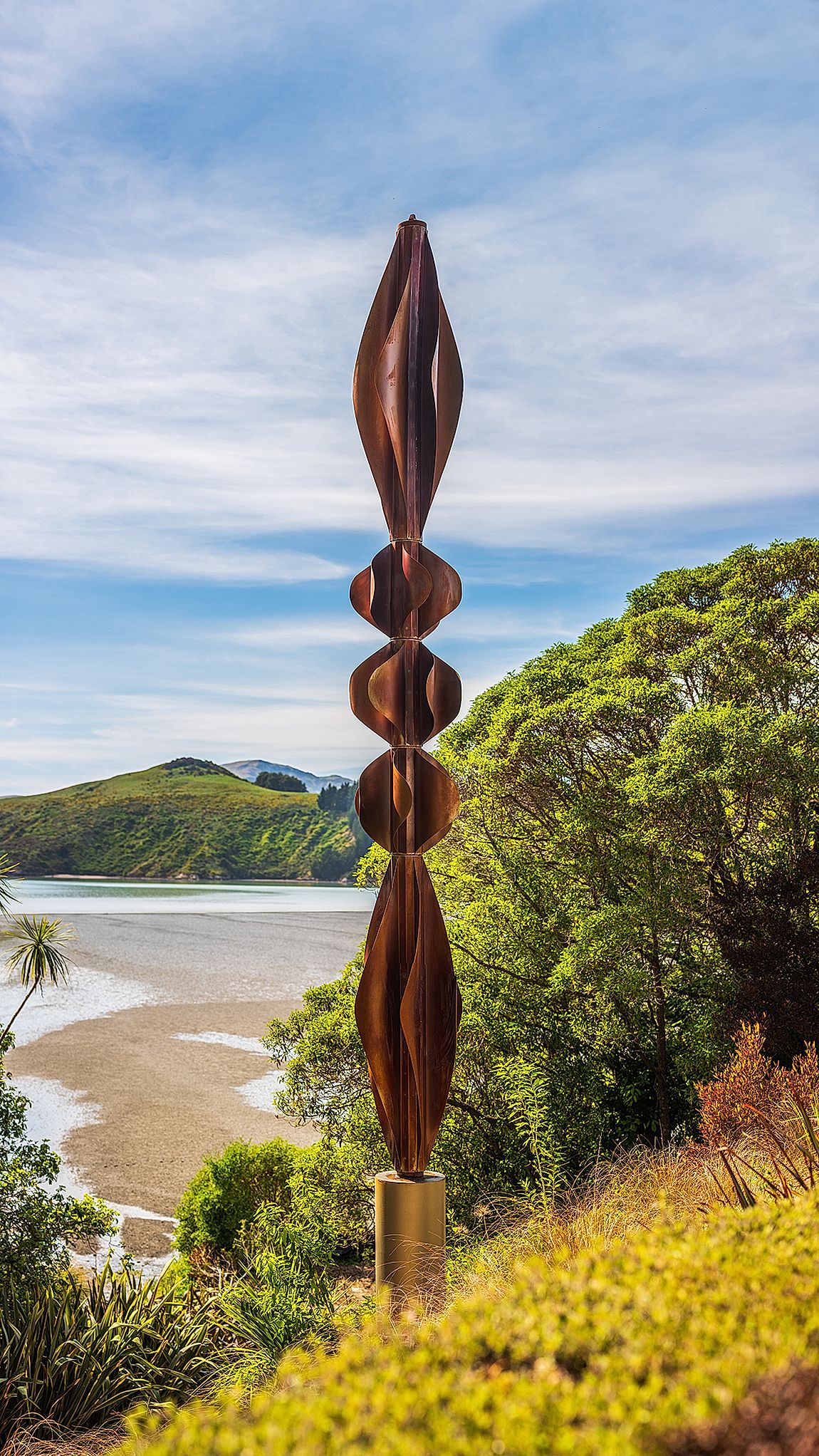
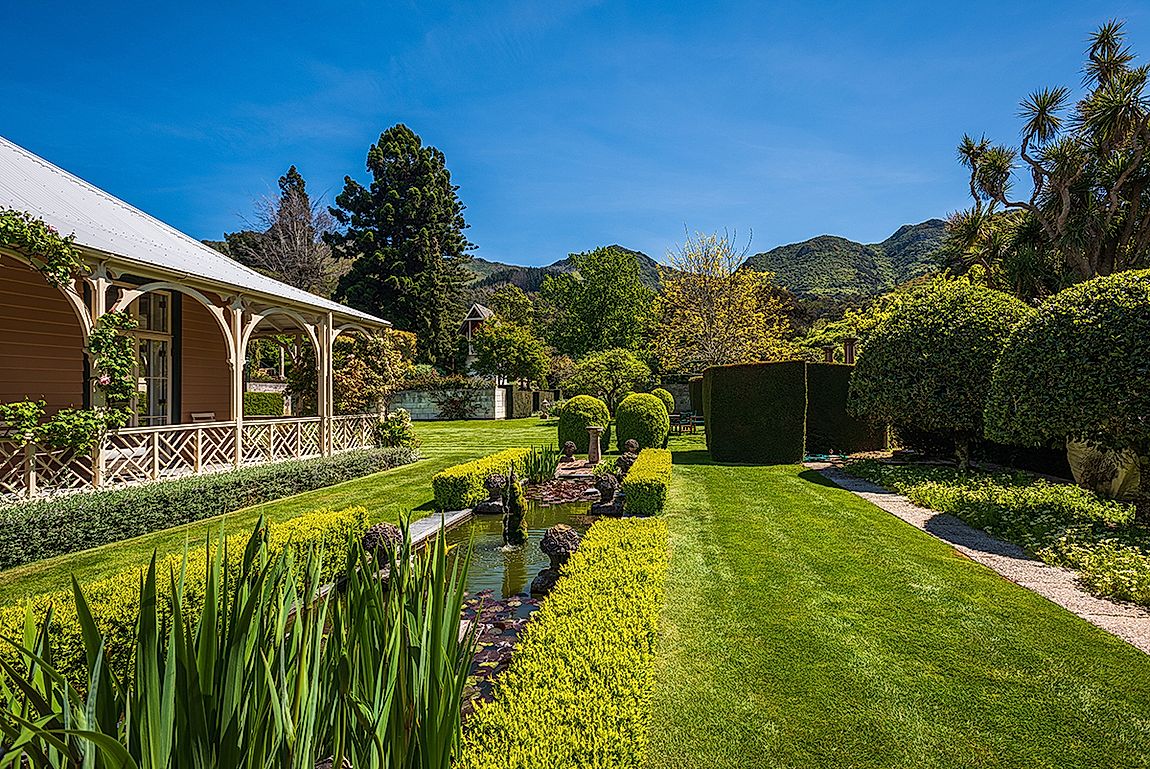
When Sir Miles, Pauline and John purchased Ōhinetahi, in 1977, the remains of T H Potts’s garden amounted to little more than some specimen trees and a lawn. Their plan for the grounds was to make something structurally complex, consisting of a series of ‘garden rooms’ that we still see today. There are three key areas: the Arts & Crafts style formal garden, a sculpture garden, and a woodland walkway consisting of regenerating natives and some of the older, established trees. An amphitheatre also looks out to the waters of Governor’s Bay.
As is often the case, inspiration for this great garden came from others. The three new owners undertook a six-week tour of some of Britain’s finest gardens, including Sissinghurst, Hever Castle, Tintinhull House and Fountains Abbey. Ōhinetahi’s Red Garden shows clear influences from Hidcote Manor’s Red Border in the Cotswolds.
The sweeping lawn to the west of the house, a favourite picnic spot, is a remnant of Potts’s original garden.
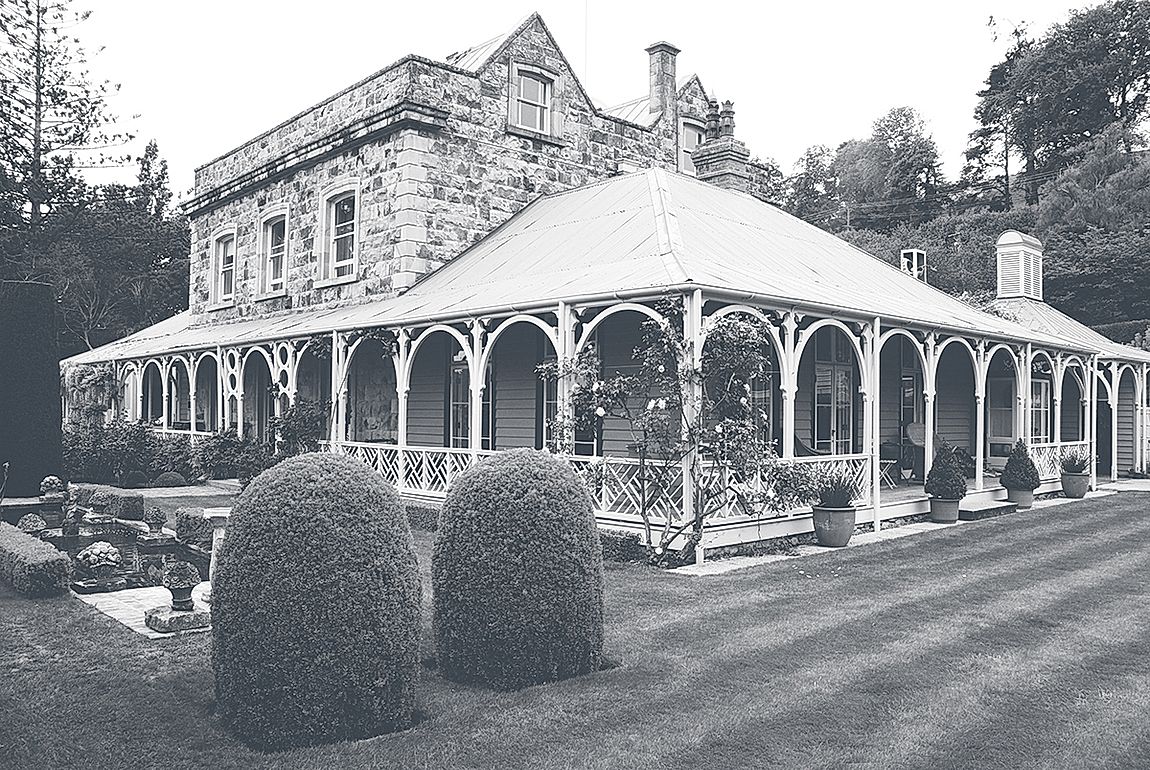
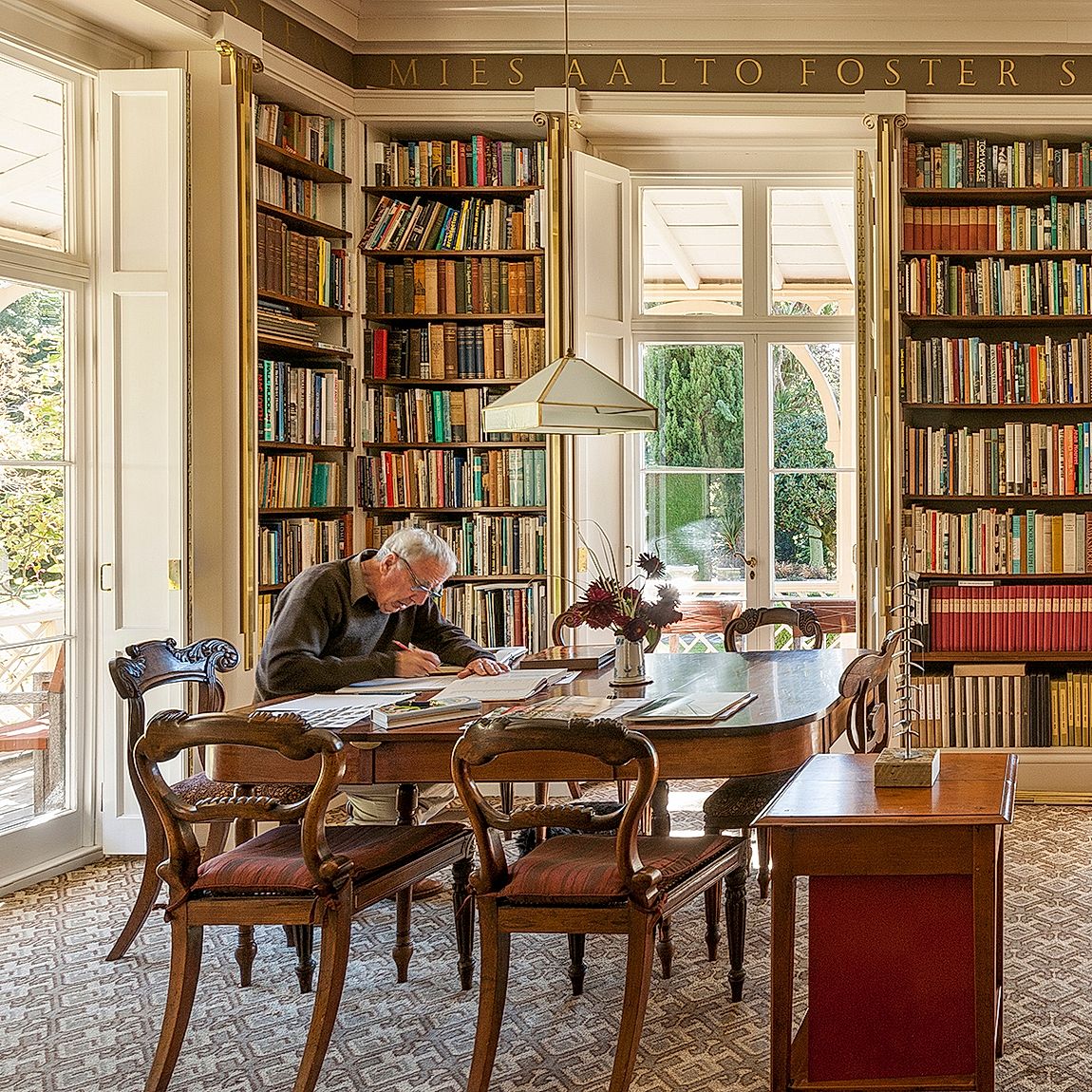
Grade 1-listed Ōhinetahi House was constructed in 1851, with a number of extensions and additions over the years. Made from sandstone with Oamaru stone accents, the homestead is open to visit, including its two galleries, and retains much of its 19th century colonial charm. This despite damage from both of the major Canterbury earthquakes in 2010 and 2011.
In repairing the homestead after the 2010 quake, the opportunity was taken to give it a better chance of surviving further tremors by removing the most-damaged topmost storey. The rest was remodelled as a classic two-storey sandstone villa with verandah, and the work probably saved the entire building in the 2011 disaster. The removed stonework was recycled in the shape of decorative pieces in the gardens and in constructing the outdoor amphitheatre.
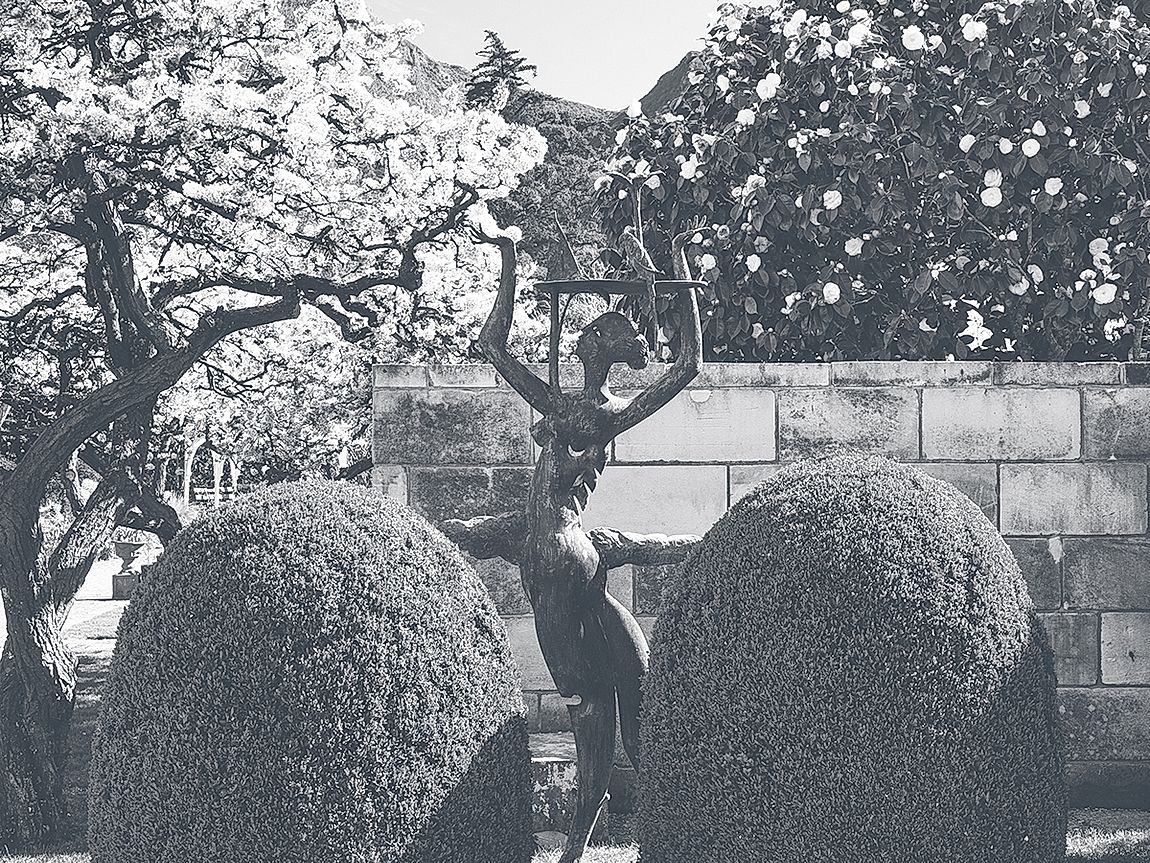
The two-dozen-and-more contemporary sculptures installed across the grounds give a hint to the treasures contained within Ōhinetahi’s two galleries.
One is devoted to the works of New Zealand artists. These include Shane Cotton, Julian Dashper, Pat Hanly, Ralph Hotere, Richard McWhannell and Peter Robinson.
The other gallery is a more modern addition. It displays a unique collection of 3D models, plans, photographs and other materials related to the work of Sir Miles Warren’s renowned architectural practice, Warren & Mahoney.